Fandom Breaks Containment… again
In my last episode with Monia, (Episode 91), we spent a lot of time discussing the negative effects of the mainstreaming of “fandom.” The on-boarding of large numbers of fans experiencing Baby’s First Fandom who are either shepherded by bad faith actors or not shepherded at all has been extremely disruptive to previously existing fan ecosystems.
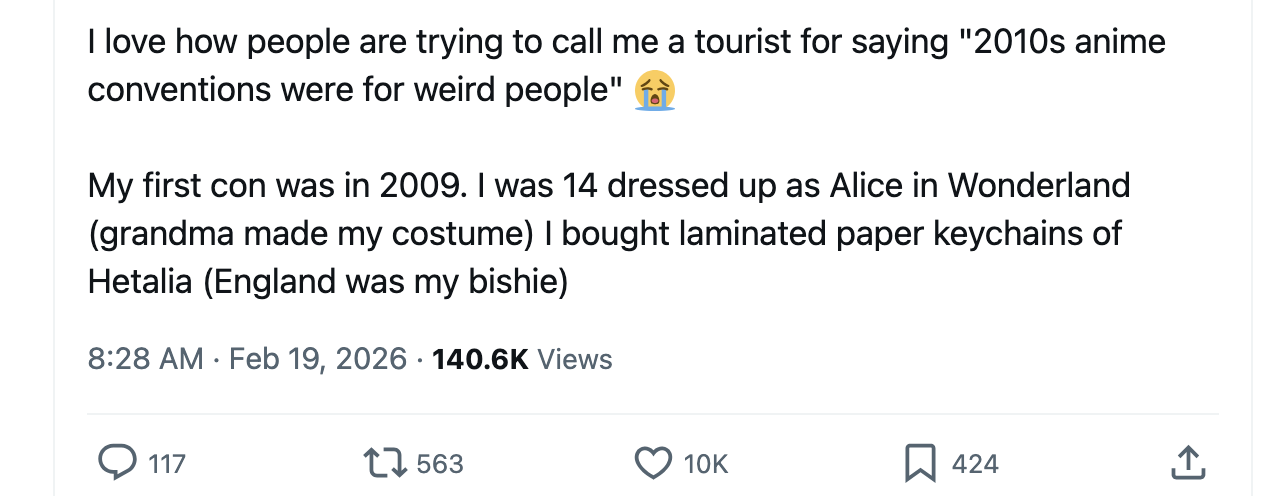
This past week I saw multiple bursts of #discourse on how much anime conventions had changed over the last decade as the genre became more mainstream. Conventions used to be for “weird” people seeking out their tribe but now that anime is available for anyone to stream on Netflix, you no longer need to know anything about the fandom ecosystem to have access to anime. This changes the nature of the anime fandom ecosystem from self-selecting “weird” people willing to jump through hoops to access content to something very, very different.
While I’m not in anime fandom, I recognize these dynamics from other fan spaces. There are trade-offs when the content gates are opened to a previously niche interest and while easier access to that content is nice, the loss of an intimate fandom community space should be acknowledged.
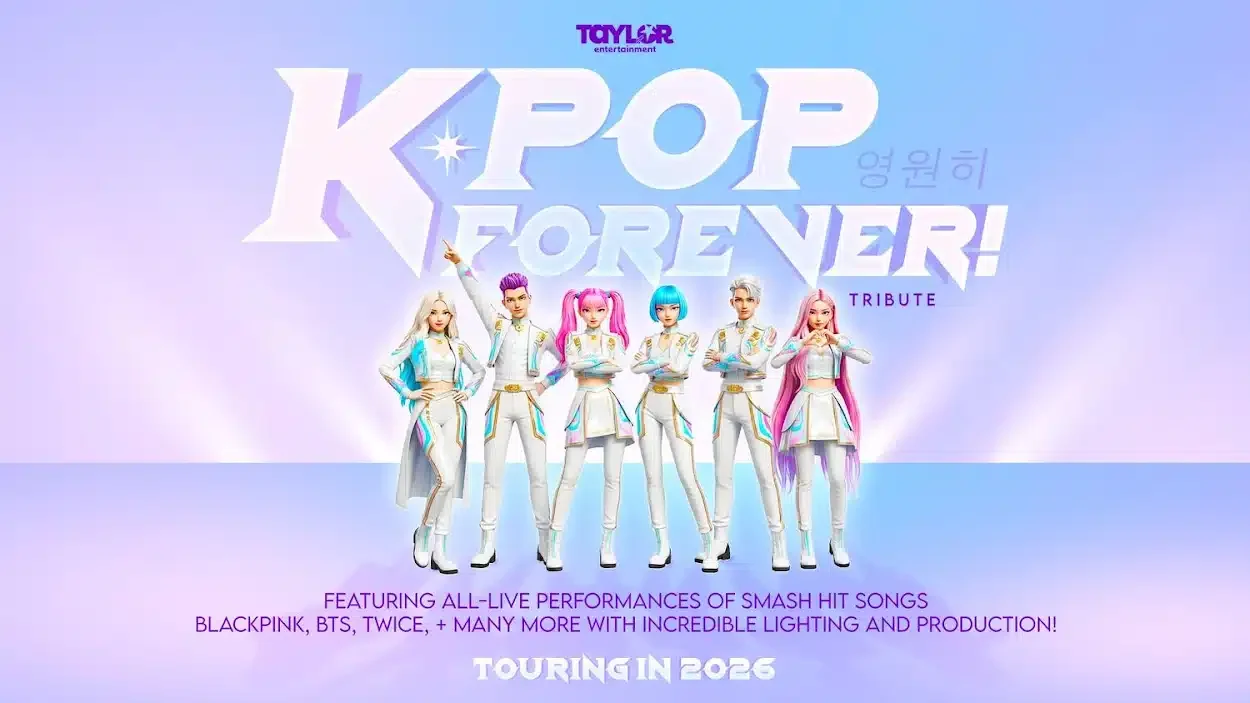
Over on the K-Pop side of things we had two viral events demonstrating things I’ve been saying for years. The first was the Belfast “K-Pop Forever” tribute concert which went viral after parents in attendance with their children realized that “K-Pop” did not mean K-Pop Demon Hunters and furiously took to social media to complain.
I’ll say it one more time: The success of K-Pop Demon Hunters should be read as similar to a kids movie phenomenon like Frozen, not as crossover success for “K-Pop” as a genre.
The promotional team for “K-Pop Forever” absolutely knew what they were doing with the poster featuring artwork in the style of K-Pop Demon Hunters and I think the backlash is deserved.
Say it with me now: K-Pop is not popular in the west.
However, despite not being mainstream popular, K-Pop, like anime, had the content gates thrown wide open and all barriers to entry to fandom spaces were removed. The number of Baby’s First Fandom fans (or Baby’s First Asian Media Fandom fans) has exploded since the late 2010s or so and that has fundamentally changed the nature of these fan communities.
In 2006, the audience to a “K-Pop Forever” tribute concert in a city like Chicago would have primarily been Korean-American diaspora, with a minority of fans who had sought out “K-Pop” acts on purpose. Shows like this may likely have even necessitated knowing someone in the local diaspora community who could procure tickets. There were real barriers to entry and a certain amount of baseline knowledge could be assumed at these in person events.
In 2016, the audience to a “K-Pop Forever” tribute concert in a city like Mexico City would have primarily been K-Pop fans, with a minority of fans of “Asian media” (anime fans, J-Pop fans, Asian drama fans, etc.). There were fewer barriers to entry, but you could still assume a baseline knowledge of the genre (and possibly even related genres like anime OST songs) from other attendees.
In 2026, the audience of a “K-Pop Forever” tribute concert in Belfast appears to be primarily angry parents with bored children upset that it’s not songs from a popular children’s film.
There are definitely advantages to having zero barriers to entry—like being able to buy a ticket on Ticketmaster to see Taemin in a large venue in Los Angeles, which I did last year and thank you for your service, Taemin—but we need to acknowledge the downsides. People will walk into these spaces that have no idea what the spaces even are or what the content is about. I don’t blame the parents for being upset. If you’re going to throw open the content gates of niche interests to all comers, alienate your existing fans by ignoring their concerns, and then offer no real guidance to the n00bs while picking their pockets, you will almost certainly find yourself with an unhappy customer base (something the NHL has been dealing with and will likely continue to deal with post-Heated Rivalry.)
When the Baby’s First (Asian Media) Fandom fans overwhelm and take over fan spaces, you end up with things like exhibit two of our viral content last week:
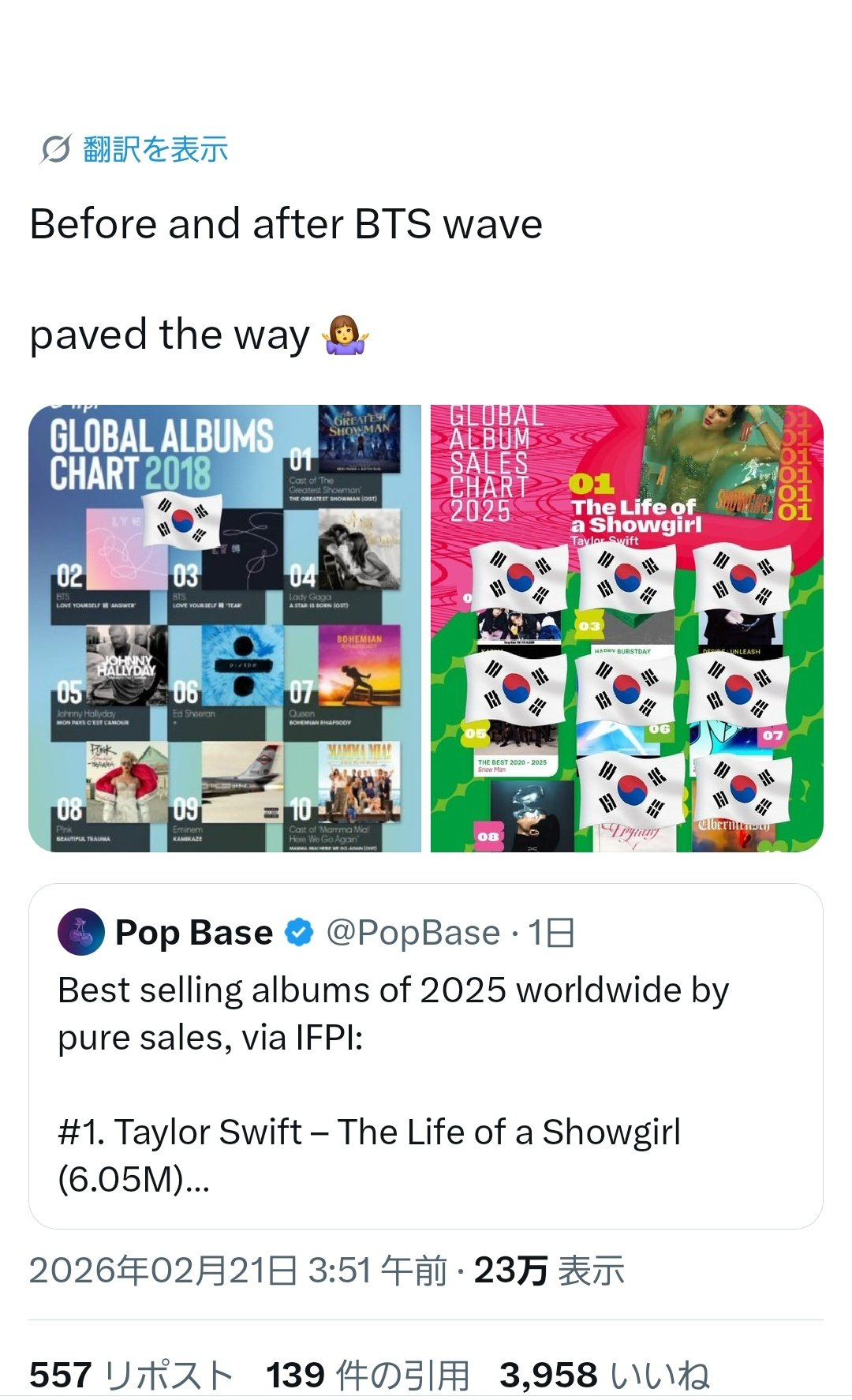
Here we have a K-Pop fan with a large following attempting to flex for her favorite group but in the process she misidentifies the very popular Japanese idol group Snow Man (check out their new song!) as “K-Pop.”
The original post was deleted and the OP has since apologized after getting dunked on by J-Pop fans posting pictures of her faves stuff in the bargain bin but I think it demonstrates how little knowledge of Asian media, let alone how little knowledge of K-Pop, so many of these new fans post-content gate opening actually have. You don’t need a Phd in idol studies to enjoy the new Hearts2Hearts song but a strong minority of fans don’t just want to enjoy the content, they want to get online and argue and brag and get into everyone else’s business. And 90% of the time, this loud minority of fans are arguing from a position of complete ignorance, as demonstrated by the post above.
I mean if we want to get technical about it, Japan’s Arashi paved the way for Asian idols on the IFPI back in 2019.
But I will take Baby’s First (Asian Media) fans any day of the week over smug journalists parachuting into fandom spaces and putting their bad information and takes up on a legacy media platform.
Yes, our offender this week is Alex Jung who wrote the latest Bad Take on Fandom for New York magazine, titled, “Girls Who Love Boys Who Love Boys When did everyone start fujoing out?” and here’s a sample of the knowledge dropped: [Emphasis added]
The “favorite problem to fix” is usually a lack of sex, which is why most fan fiction is a form of slash fiction. Writers project parts of themselves into the characters, things that often have to do with their own bodies, sexual desires, and vulnerabilities.
Sigh.
SIGH.
I don’t even know where to start with this ridiculous article. How seriously are we supposed to take a piece that can’t even get basic facts about fanfic and slash fiction right. I saw this quote making the rounds on X:
The 2016 anime adaptation of the BL manga Yuri!!! on Ice, about a male figure skater and his coach, became a crossover hit.
Lord save me from these smug journalists parachuting into things they don’t understand. This may be a small error but it’s extremely indicative of how much research actually went into writing this article: Yuri!!! On Ice was not an adaptation of a manga.
Jung also makes a number of huge and completely unforced errors but the one I think needs to be blasted the most is this:
Fanfic is not primarily slash and while online fanfic communities on places like AO3 are heavily female-coded, I am old enough to personally know heterosexual male writers of non-romance and certainly non-Slash Star Trek fanfic, among other genres. There was an entire ecosystem of things like mass market tie-in novels for formerly male-coded fandoms like Star Wars or Dungeons & Dragons that were all about adventuring and slaying demons and monsters and the only butt stuff involved was jokes about farts.
That stuff wasn’t personally for me—I happen to really enjoy the slash romance fanfic—but it was out there in print, on Usenet forums, and other places like that.
You can’t understand the prominence of m/m slash in “fandom studies” today without also understanding that it didn’t used to be this way. Over the last decade-plus or so, I’ve witnessed IPs like Star Trek and Star Wars work to shed their all of long time fans (including me) and with them went a lot of male fans and the knowledge of things like the male-written Marissa Picard universe, which I found because it was MSTed on Usenet forums and I thought that MSTing fanfic was hilarious at age 15. My memory of the 1990s is that I was much more likely to stumble across any type of fic written by a heterosexual man than I was to find a m/m slash fic.
All of this is not to denigrate the wonderful women writing m/m slash out there—again, I read plenty of those fics and I salute your work—but just to try to put this segment of fandom into perspective. It has been extremely overemphasized in the media by hack fluff piece writers like Jung, presumably because it is salacious and will generate a lot of interest from lookie-loos, but it does these fic writers and the fandoms a huge disservice to open these content gates wide open for all comers to walk through. These are not subcultures and ideas meant for everyone. What we all accept as fine by our little self-selected group of writers and readers on AO3 (a little A/O/B, a little fuck-or-die, some angst… *chef’s kiss*) is really not appropriate for the majority of readers out there. They don’t want it; they don’t need to know it exists; and they shouldn’t have access to it.
The coda to all of this is, of course, that hack writers like Jung will simply hop aboard the next big hysteria when it rolls around, leaving all of his misinformation on fandom with the imprint of a legacy publication on it. After all, he is the writer behind one of the first big legacy publication fluff pieces on another female-driven hysteria whose time has come and gone. “Women are so horny for Heated Rivalry that they read about two guys doing ‘it’” will join “women are so horny for Twilight that they’re ruining their marriages” and “women are so horny for One Direction… that they’re reading about two guys doing ‘it’” in the dustbin of popular culture memory. They don’t care about the mess left behind in our fandom spaces and will happily exploit the next big fandom bubble when it hits, starting the cycle all over again.